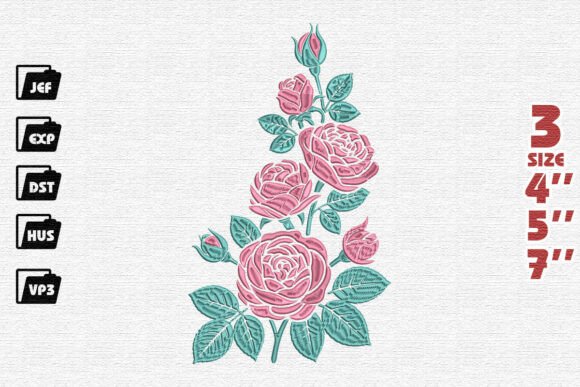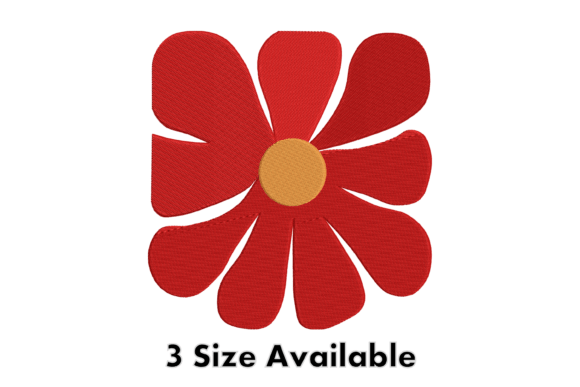
Stylized Red Rose Embroidery Design Review
As an embroidery designer who has spent years digitizing and testing files for commercial use, I approach every new machine embroidery design with a critical eye. It is not enough for a file to look pretty on a screen; it must perform under the needle, withstand washing, and elevate a brand's identity. Today, I am reviewing the Stylized Red Rose Embroidery Design, a file categorized under Single Flowers, to determine its viability for small business merchandise, branded patches, and custom apparel.
My first impression of this design is that it strikes a balance between classic elegance and modern boldness. The description highlights "bold petals and green leaves," which suggests a digitizing strategy focused on impact rather than hyper-realistic detail. For a small business owner, this is often the sweet spot. A design that is too intricate can get lost on a cap or turn into a muddy mess on a textured tote bag. This stylized approach feels professional yet friendly, making it suitable for a wide range of industries from boutique florists to artisanal bakeries.
Evaluating Visual Personality for Brand Identity
In the world of brand identity, consistency is key. When I examine the Stylized Red Rose Embroidery Design, I see a visual asset that communicates warmth and quality. The red and green color palette is timeless, but the "stylized" nature of the petals gives it a contemporary edge. This prevents the logo from looking dated or overly traditional, which is crucial for modern handmade brands and Etsy sellers trying to stand out.
For a creative studio or a local café, this design could serve as a powerful chest logo accent or a sleeve detail on staff uniforms. The boldness of the petals ensures that the design remains recognizable even from a distance. However, because it relies on specific thread colors to define its shape, I would advise testing how it looks in a single-color version. Many corporate clients require logos that work in black and white for specific uniform standards or monochrome packaging. If the design loses its definition without the contrast between the red petals and green leaves, it may need some digitizing adjustments before being adopted as a primary brand mark.
Real-World Applications for Small Business Merch
The true test of any digital embroidery file is its versatility across different products. Based on the product description, this design is intended for t-shirts, tote bags, jackets, pillows, and napkins. Here is how I see it performing in real business scenarios:
- Embroidered Patches: This is likely the strongest use case. The bold outlines and distinct shapes make the Stylized Red Rose Embroidery Design ideal for creating iron-on or sew-on patches. A bakery could use these on apron pockets, or a florist could attach them to paper shopping bags as a premium touch.
- Cap Embroidery: Caps are tricky due to the curved surface and limited space. The simplified nature of this rose suggests it would sit well on a structured cap front, provided the stitch density is not too high, which could cause puckering on the stiff fabric.
- Tote Bag Design: Canvas tote bags have a rougher fabric texture. A design with bold petals handles this texture better than fine-line art. This makes it an excellent choice for market vendors selling handmade products who want to brand their carry-all bags.
- Apron Embroidery: For service industry businesses, branding the staff apron is a subtle but effective marketing tool. Placing this rose on the bib of an apron adds a touch of sophistication without overwhelming the uniform.
When used as a finished product add-on, such as a branded pillow for a home goods store, the design adds perceived value. Customers are often willing to pay more for items that feature high-quality embroidery compared to printed graphics, as the texture of the thread implies durability and craftsmanship.
Technical Considerations and Potential Pitfalls
While the aesthetic appeal is strong, there are technical areas where caution is required. As a designer, I always warn clients about stitch density. If the "bold petals" are filled with too many stitches, the design may become stiff and prone to cracking after multiple washes. This is particularly important for items like t-shirts and napkins that undergo frequent laundering.
Furthermore, the size of the design matters immensely. If you intend to use this as a tiny label on a garment tag or a small patch less than two inches wide, the details might merge together. The green leaves, if they contain fine satin columns, could disappear entirely at a small scale. I strongly recommend running a test stitch-out on the actual fabric you plan to use. Fabric texture plays a huge role; a design that pops on smooth polyester might look jagged on heavy denim or loose-weave linen.
Another consideration is the hoop size. The product description does not specify the maximum dimensions of the design. Before purchasing, you must verify that the file fits within your machine's hoop capabilities, especially if you are working with smaller hoops for cap frames or larger hoops for jacket backs. Additionally, always check the license terms. For commercial embroidery projects, you need assurance that the file allows for unlimited production runs for resale.
Practical Designer Notes for Production
To ensure the Stylized Red Rose Embroidery Design meets your business standards, follow these practical steps before committing to a large production run:
- Test in Black and White: Convert your mockup to grayscale to ensure the design holds its shape without color reliance.
- Check Small Patch Viability: Stitch a sample at the smallest size you intend to use to verify that the petals do not blend into the leaves.
- Review Thread Color Contrast: Ensure the specific shades of red and green you have in stock provide enough contrast against your base fabric, especially on dark uniforms.
- Inspect Spacing: Look for potential thread breaks where colors meet; good digitizing should have proper pull compensation.
- Confirm Hoop Size: Verify the design dimensions against your available hoops to avoid last-minute resizing issues.
- Test on Real Fabric: Never judge a design solely on a screen. Stitch it on the exact material your customer will receive.
- Use Proper Stabilizer: Match your stabilizer to the fabric weight to prevent distortion, which is critical for maintaining the rose's shape.
- Create a Printable Mockup: Generate a realistic visual for client approval before stitching the final batch.
- Compare Design Assets: Place this rose beside your other branding elements to ensure visual consistency across your product line.
- Confirm Commercial Licensing: Double-check the seller's terms to ensure you are cleared for resale and mass production.
In conclusion, the Stylized Red Rose Embroidery Design offers significant potential for enhancing small business merch. Its bold, stylized nature makes it resilient across various applications, from patches to apparel. However, its success depends on careful technical validation. By respecting the limitations of fabric texture, stitch density, and sizing, you can transform this digital file into a tangible asset that boosts customer trust and elevates your brand's professional image. Always prioritize a physical test run to guarantee that the timeless beauty promised in the description translates perfectly into your finished products.