Layered Rose Design Embroidery: A Designer's Review
When I first pulled up the preview for Layered Rose Design Embroidery, my immediate reaction wasn't just about the aesthetic; it was about feasibility. As someone who spends hours hooping fabric, threading needles, and troubleshooting density issues for clients, I look past the pretty picture on the screen. I want to know how this machine embroidery design behaves under the needle. This isn't just a digital asset; it's a blueprint for a physical handmade product that needs to withstand washing, wearing, and the critical eye of a paying customer.
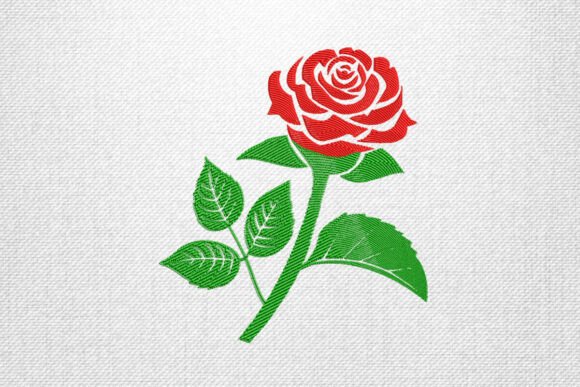
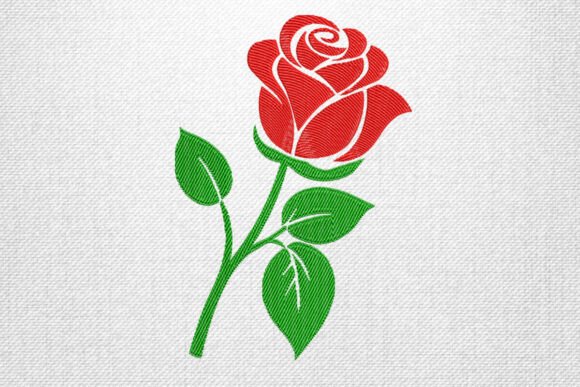
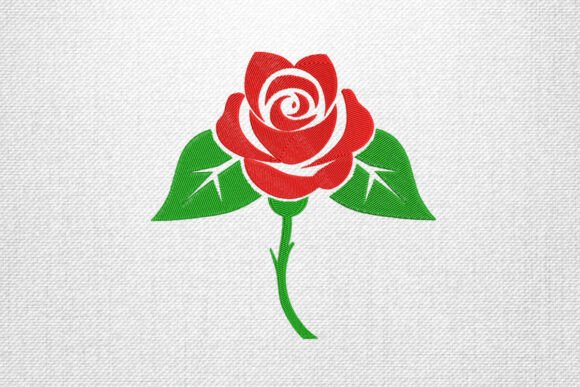
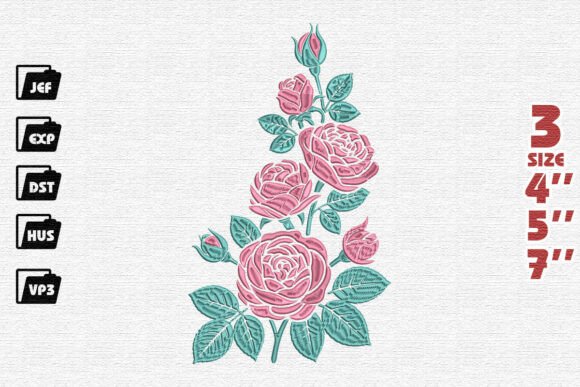
The visual personality of this piece is undeniably romantic and vintage-inspired. It captures that classic "Single Flowers" vibe but elevates it with a sense of depth that flat vector art often lacks. The layout features blooming flowers alongside tight buds, creating a natural flow that suggests growth and movement. For a designer, this composition is gold because it offers versatility. It's not just a static image; it tells a story of a garden in mid-bloom. However, beauty in a thumbnail doesn't always translate to beauty in thread. Let's break down how this embroidery file performs in real-world scenarios.
Real-World Application: The Boutique Tote Bag Test
To truly evaluate this design, I imagined a specific project: a custom order for a local boutique needing a line of eco-friendly tote bags. These aren't cheap promotional items; they are premium canvas bags meant for daily use. This is where Layered Rose Design Embroidery shines. The 7-inch size option is perfect for the center of a large tote, acting as a bold statement piece. The layered aspect of the roses suggests texture, which translates beautifully into fill stitch work on heavy canvas.
If I were stitching this for a client, the mood it creates is one of timeless elegance. It fits perfectly into the current trend of cottage-core and slow fashion. Customers aren't just buying a bag; they are buying an identity. When they see those blooming flowers and buds stitched onto their tote bag design, they perceive higher value. The detail level here is crucial. If the stitches are too sparse, the rose looks flat and cheap. If they are too dense, the fabric puckers. Based on the visual complexity, this design likely relies on a mix of satin stitch for the petal edges and dense fill for the centers, giving it that plush, high-end feel that justifies a higher price point for an Etsy seller or small shop owner.
Versatility Across Products and Fabrics
Beyond tote bags, this design has serious potential for custom apparel. Imagine this rose centered on the chest of a cream-colored sweatshirt. The 5-inch size would be ideal here, offering visibility without overwhelming the garment. For sweatshirt embroidery, the key is ensuring the design handles the loft of the fleece. The "layered" nature of the roses means there are likely overlapping elements. On thick fabric, this can sometimes cause registration issues if the digitizing isn't sharp, but the available sizes suggest thoughtful planning for different applications.
For those running a craft business focused on home goods, this design is a strong contender for pillow covers and kitchen towels. A 4-inch version could serve as a delicate corner accent on a tea towel, while the larger sizes work well for decorative throw pillows. The theme of blooming flowers fits naturally into nursery decor or wedding gifts. However, caution is needed when moving to textured fabrics like waffle weave or highly stretchy knits. The intricate details of the buds might get lost or distorted if the fabric shifts during stitching. In these cases, a robust stabilizer is non-negotiable.
Critical Considerations for Professional Results
While the aesthetic is stunning, a professional reviewer must address the technical hurdles. Where should you use Layered Rose Design Embroidery carefully? First, consider the hoop size. Although the design comes in three sizes, the 7-inch version demands a large hoop. If you are working on a curved surface like a cap, fitting a design of this magnitude can be tricky. The curvature of the front panel might distort the circular balance of the rose, making the petals look uneven. For hats, I would strongly recommend sticking to the smaller 4-inch option or reconsidering the placement entirely.
Another area of concern is dark fabric. Roses are often associated with soft pinks, reds, and creams. Stitching light thread colors over black or navy fabric requires excellent coverage. If the stitch density isn't high enough, the dark background will peek through, ruining the illusion of a solid flower. Before committing to a production run, I always advise testing the design on scrap fabric that matches your final product. Check the contrast. Does the red pop against the denim? Do the green leaves blend too much with the olive shirt?
Furthermore, pay attention to the small details. The tiny buds and the innermost layers of the bloom are vulnerable points. On products that need frequent washing, like baby clothes or kitchen aprons, these fine details are the first to fray if the stitching isn't secure. For baby embroidery, ensure there are no long jumps or loose threads on the back that could irritate sensitive skin. Always trim and seal your jumps professionally.
Maximizing Value and Brand Consistency
Ultimately, the success of this design in your embroidery project comes down to how it affects your brand perception. A well-executed rose design signals professionalism. It tells your customer that you care about quality. Whether you are selling digital embroidery files or finished goods, the clarity of the stitching builds trust. If you are an Etsy seller, using this design in your printable mockups can help visualize the final product, but remember that the real test is the finished product in hand.
For commercial use, always verify the licensing terms. Just because a design is beautiful doesn't mean it's free for unlimited commercial embroidery sales. Check if the license allows for selling physical items versus digital assets. This distinction is vital for protecting your small shop product line. Additionally, consider how this design fits into your broader catalog. Does it complement your existing design assets? Consistency in style helps buyers recognize your brand instantly.
In conclusion, Layered Rose Design Embroidery is a potent tool for the creative entrepreneur. It bridges the gap between vintage charm and modern application. Whether you are creating a personalized gift for a holiday or stocking inventory for a boutique, this design offers the flexibility needed for diverse projects. Just remember to respect the technical limitations of your machine and fabric. Test your tension, choose the right stabilizer, and let the natural beauty of the rose do the rest. With careful execution, this single flower can become the centerpiece of a thriving handmade business.