Wild Tiger Embroidery Design Review for Craft Fairs
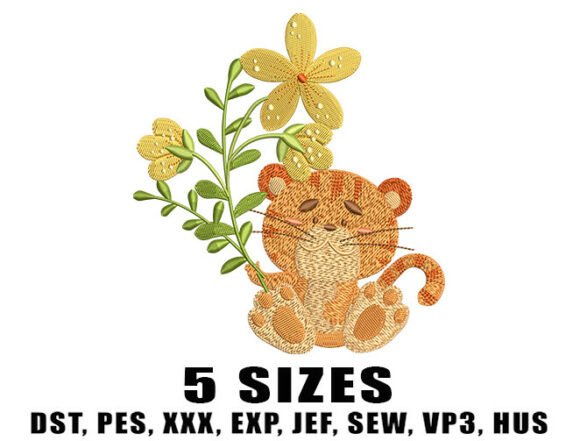
As an embroidery designer who has spent countless hours prepping booths for weekend craft fairs and managing online shops, I know that the difference between a best-seller and a table ornament often comes down to the design itself. When I first pulled up the Wild Tiger Embroidery Design on my screen, my immediate thought was about its potential as a high-converting craft fair product. This isn't just another animal motif; it is a specific, mood-setting piece featuring an adorable baby tiger holding a yellow bloom. In the world of handmade product creation, details like that yellow flower are what stop a scrolling customer in their tracks or make them pause at your booth table.
First Impressions and Market Appeal
The initial vibe of this machine embroidery design strikes a perfect balance between playful and soft. It leans heavily into the "cute" and "nursery" aesthetics without being overly childish, which gives it a broader appeal than you might expect. While the product category is listed as Nursery, do not let that limit your vision. The imagery of a wild animal softened by a flower creates a narrative that works beautifully for jungle-themed projects, but also for general kids' clothes and boutique home decor. For an Etsy seller or a boutique maker, this duality is gold. It allows you to market the same digital embroidery file to parents looking for baby gifts and to adults who appreciate whimsical, nature-inspired art.
The inclusion of five sizes, ranging from a compact 3.8 inches up to a substantial 6.8 inches, adds significant value. In a real-world selling scenario, versatility is key. A design that can shrink down for a pocket accent or expand for a statement back-panel gives you more inventory options from a single purchase. This flexibility is crucial when you are trying to maximize your return on investment for design assets.
Strategic Product Placement for Maximum Sales
When setting up my display table, I am always thinking about sightlines and texture. Here is how I see the Wild Tiger Embroidery Design performing across various popular items:
- Tote Bags and Market Bags: This is likely the strongest contender for a tote bag design. Placing the 5.8 or 6.8-inch version centered on a natural canvas tote creates an instant focal point. The contrast of the tiger against neutral fabric highlights the details, making it an impulse buy for shoppers looking for unique accessories.
- Aprons and Tea Towels: For apron embroidery, the medium sizes (4.8 or 5.8 inches) work perfectly on the bib area. Similarly, tea towel embroidery benefits from the vertical composition of the tiger holding the bloom. These items sell well as coordinated sets, increasing your average transaction value.
- Caps and Patches: The smallest size (3.8 inches) is ideal for an embroidered patch or a front cap logo. However, caps require careful attention to curvature. The design must be digitized well to avoid distortion on the curved surface of a baseball hat.
- Pillow Covers and Pouches: As a centerpiece for a nursery pillow or a small fabric pouch, this design adds a touch of warmth. It transforms a plain zippered pouch into a premium gift item suitable for storing small treasures.
Production Realities and Technical Considerations
Before committing to batch production for a big market weekend, practical evaluation is non-negotiable. While the description promises an adorable result, we must look at the technical execution. The presence of a flower and a baby tiger suggests there may be areas of varying stitch density. Dense stitch areas, such as the tiger's fur or the center of the flower, need to be monitored closely. If the density is too high, it can cause puckering, especially on lighter fabrics.
You must also consider thread colors. The description mentions a yellow bloom, which is a bright pop of color. Ensure you have high-quality threads that match this specific shade; a dull yellow will ruin the cheerful intent of the design. Furthermore, when working with textured towels or thick fabrics like denim for tote bags, the clarity of the design can suffer. Tiny details might get lost if the fabric texture competes with the stitches.
Another critical factor is the hoop size. Although the design comes in multiple sizes, you need to confirm that your machine's hoop can accommodate the largest 6.8-inch version without needing to re-hoop or split the design, which introduces alignment risks. Always check the specific requirements of the embroidery file before purchasing.
Visual Impact and Branding
In a crowded marketplace, visual appeal drives sales. The Wild Tiger Embroidery Design has strong potential for buyer engagement because it tells a story. It feels decorative yet modern, fitting well with current trends in handmade goods that favor nature and animals. When photographed for online listings, the contrast between the tiger and the yellow flower should create a vibrant printable mockup that stands out in search results.
For brand consistency, this design supports a shop identity focused on quality, whimsy, and care. Whether you are selling commercial embroidery products or one-off handmade pieces, using a cohesive theme like this helps customers recognize your style. A well-executed sample of this design on a high-quality tote bag can serve as a powerful booth sample, drawing people in to ask about customization options.
Essential Designer Notes for Success
To ensure the finished product meets professional standards, follow these steps before listing items for sale:
- Test on Scrap Fabric: Never run a new design on your final product first. Stitch it out on the exact same fabric and stabilizer combination you plan to use for sales.
- Check Stabilizer Choice: Depending on the fabric texture, you may need a cut-away stabilizer for stretchy knits or a tear-away for stable wovens. The right stabilizer prevents the design from sinking into the fabric.
- Review Spacing and Clarity: Inspect the smallest 3.8-inch version closely. Ensure that the tiny details of the tiger's face and the flower petals remain distinct and do not merge into a blob of thread.
- Verify Licensing: Before selling any small shop product made with this file, confirm the commercial licensing terms. Some designers allow unlimited sales of finished physical goods, while others have restrictions.
- Create Real Mockups: Take photos of the actual stitched item in natural light. Digital renderings are helpful, but customers want to see the texture and true color of the thread on the fabric.
In conclusion, the Wild Tiger Embroidery Design offers a compelling mix of cuteness and versatility that fits perfectly into the current handmade market. With its range of sizes and charming subject matter, it is poised to be a standout item for nurseries, kids' apparel, and accessory lines. By paying attention to production details like stitch density, fabric choice, and proper stabilization, you can turn this digital file into a tangible best-seller that resonates with customers at your next craft fair or online launch.