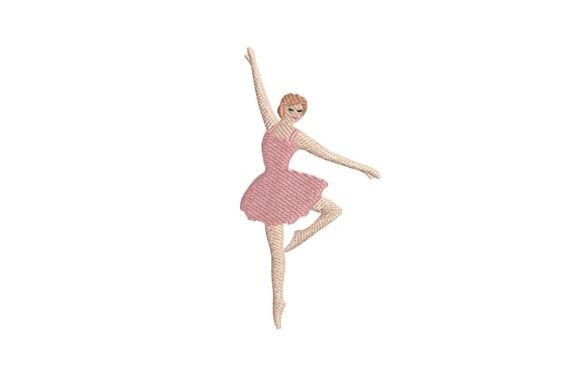
Soft Pirouette Ballerina Embroidery Design Review
As an embroidery designer who spends most of my days digitizing logos and testing files for commercial production, I approach every new machine embroidery design with a critical eye. It is not enough for a file to look pretty on a screen; it must perform under the needle, withstand washing, and elevate a brand's identity. Today, I am reviewing the Soft Pirouette Ballerina Embroidery Design, a file that promises delicate beauty for dance-themed projects. However, my focus here is strictly on its viability for small business merchandise, branded patches, and professional apparel decoration.
First Impressions: Elegance Meets Commercial Viability
Upon loading the digital embroidery file into my simulation software, the first thing that strikes me is the intended mood. True to its name, this design exudes an air of elegance and grace. It feels premium and classic rather than overly playful or rustic. For a boutique dance studio, a high-end children's clothing line, or a creative studio specializing in artistic events, this aesthetic is spot-on. The lines appear fluid, suggesting a design that captures motion without becoming a tangled mess of thread.
However, for business owners looking to use this as a core part of their brand identity, the "soft" nature of the design requires careful consideration. While it is undeniably beautiful, soft designs can sometimes lack the boldness needed for instant recognition from a distance. This makes the Soft Pirouette Ballerina Embroidery Design an excellent choice for secondary branding elements—such as sleeve details, pocket accents, or interior labels—rather than a primary chest logo for a uniform that needs to be identified across a large room.
Real-World Applications for Small Business Merch
Let us imagine a real-world scenario. A local ballet academy wants to upgrade their staff uniforms and create a line of retail merchandise. Here is how this embroidery file could be deployed effectively:
- Embroidered Patches: This is perhaps the strongest use case. By stitching this design onto a twill or satin backing, you create a collectible patch that students can earn or purchase. The delicate lines of the pirouette translate well to a patch format, provided the stitch density is managed correctly to prevent puckering.
- Apron Embroidery: For a dancewear boutique or a themed café near a theater, embroidering this design on the corner of an apron adds a touch of sophistication. It signals attention to detail and enhances the customer experience.
- Tote Bag Design: Canvas tote bags are staples for small business merch. Placing the ballerina on a natural or pastel canvas bag creates a chic, reusable item that customers will actually want to carry, extending your brand's reach beyond the studio.
- Cap Embroidery: Using this on the side panel of a baseball cap or the front of a visor can work, but caution is required regarding the curved surface. The fine details of the tutu or limbs might distort if the cap fabric is too textured or if the hoop tension is not perfect.
- Product Packaging Accents: For handmade product sellers on Etsy, stitching this design onto a fabric tag attached to packaging adds a luxurious, handmade feel that justifies a higher price point.
Critical Considerations for Production
While the artistic merit of the Soft Pirouette Ballerina Embroidery Design is high, there are technical hurdles that every embroidery shop must address before running a production batch. The description highlights "delicate beauty," which often translates to fine lines and potentially lower stitch counts in certain areas. This presents specific challenges:
Size Limitations: If you intend to use this as a small patch (under 2 inches), you must verify that the fine details do not merge together. Delicate outlines can easily become blobs of thread if scaled down too far. Always request a test run at your intended size.
Fabric Texture and Color: This design relies on contrast. On dark uniforms or heavily textured fabrics like fleece, the subtle nuances of the pirouette may get lost. It performs best on smooth, medium-weight fabrics like polo shirts, twill, or high-quality cotton where the thread colors can pop against the background.
Wash Durability: Items like aprons and staff shirts undergo frequent washing. Designs with long, floating stitches or very fine satin columns can snag or fray over time. Before selling this as part of a uniform package, subject a sample to multiple wash cycles to ensure the integrity of the design holds up.
Impact on Brand Identity and Customer Trust
In the world of commercial embroidery, consistency is key to building trust. Using a cohesive set of design assets helps customers recognize your brand instantly. The Soft Pirouette Ballerina Embroidery Design contributes to a brand narrative that values artistry, precision, and grace. When a customer receives a finished product featuring this design, such as a beautifully embroidered tote or a pristine staff shirt, it reinforces the perception that the business itself is professional and detail-oriented.
For handmade brands, the presence of machine embroidery adds a layer of perceived value. It bridges the gap between mass-produced goods and one-of-a-kind crafts. However, if the embroidery looks messy due to poor stabilization or incorrect thread choices, it can have the opposite effect, making the brand appear amateurish. Therefore, the execution of this file is just as important as the design itself.
Professional Designer Notes for Best Results
To ensure the Soft Pirouette Ballerina Embroidery Design meets your commercial standards, I recommend following this checklist before committing to a full production run:
- Test in Black and White: Before selecting your brand colors, stitch a sample using only black thread on white fabric (and vice versa). This reveals the true structure of the design and highlights any spacing issues that color might hide.
- Verify Hoop Size: Check the specific dimensions of the file against your available hoops. Ensure you have the correct hoop size to accommodate the design without needing to re-hoop, which can cause alignment marks.
- Stabilizer Selection: Given the likely delicate nature of the lines, use a high-quality cut-away or heavy tear-away stabilizer. This prevents the fabric from pulling and ensures the "pirouette" remains crisp.
- Create a Printable Mockup: Before stitching, generate a printable mockup to show your client or visualize the placement on the garment. This helps confirm that the scale works with the overall garment design.
- Check Licensing Terms: Since this is for business use, confirm the commercial licensing terms included with the digital embroidery file. Ensure you are permitted to sell items made with this design, especially if you are an Etsy seller or running a custom apparel shop.
- Review Thread Contrast: If the design uses multiple shades of the same color, ensure there is enough contrast between them so the details remain visible from a distance.
In conclusion, the Soft Pirouette Ballerina Embroidery Design is a sophisticated asset for businesses within the Dance industry and beyond. While it may not be the boldest choice for a primary logo, its elegance makes it a powerful tool for enhancing custom apparel, creating memorable merchandise, and adding a touch of class to branded goods. With proper testing and attention to technical details, this design can become a staple in your library of profitable embroidery projects.