Herbal Bowl Embroidery: A Designer's Review for Real Projects
When I first pulled up the Herbal Bowl Embroidery design on my screen, the immediate feeling was one of grounded calm. In a market often saturated with overly complex or trendy motifs that fade quickly, this design stands out for its timeless, apothecary aesthetic. As a designer who spends hours digitizing and stitching for clients, I look for files that not only look good in a preview but hold up under the needle. This review breaks down how this specific file performs when moved from a digital asset to a tangible, handmade product.
First Impressions and Visual Personality
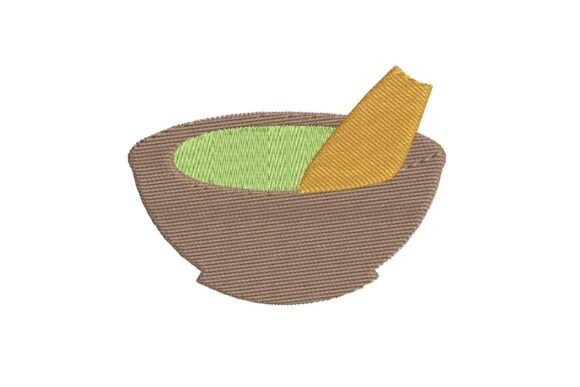
The layout of the Herbal Bowl Embroidery suggests a careful balance between organic shapes and structured composition. The motif features a central bowl brimming with botanical elements, likely herbs or dried flowers, which immediately evokes a sense of wellness and natural living. For those of us in the craft business, mood is everything. This design speaks directly to the "slow living" demographic, making it an ideal candidate for boutique branding or personalized gifts.
Visually, the design relies heavily on the interplay between different stitch types. Depending on the specific digitization within the file, you can expect a mix of satin stitch for the rim of the bowl and the stems, providing a sleek, shiny finish, contrasted with fill stitch areas that give texture to the foliage. The level of detail appears moderate; it is intricate enough to be interesting but not so dense that it becomes a nightmare to stitch out on textured fabrics. The visual personality is earthy and inviting, perfect for projects where the goal is to create a connection with nature.
Real-World Application: The Kitchen Towel Scenario
To truly test a design, I imagine it in a specific real-life scenario. Let's say a client approaches me for a set of custom kitchen linens for a housewarming gift. They want something that feels functional yet decorative. This is where Herbal Bowl Embroidery shines. Placed centrally on a high-quality linen tea towel, the design transforms a simple utility item into a piece of art.
In this context, the Food category relevance becomes clear. The imagery of fresh herbs ties directly into culinary themes, making it a logical choice for aprons, oven mitts, or tote bags used for farmer's market runs. When stitched onto a natural cotton canvas tote bag, the earthy tones of the thread palette would complement the fabric beautifully. The design doesn't scream for attention; instead, it invites a closer look, which increases the perceived value of the finished product. For an Etsy seller, listing a tote bag with this specific embroidery could attract buyers looking for unique, non-mass-produced items that reflect a love for gardening or cooking.
Versatility Across Product Types
Beyond kitchenware, the scalability of this design makes it versatile. The availability of five sizes is a significant advantage. The largest size would work wonderfully as a focal point on a sweatshirt or a pillow cover, allowing the details of the herbs to breathe. Conversely, the smaller sizes are excellent for baby embroidery projects, such as a bib or a onesie, where a subtle nod to nature is preferred over loud graphics. It also serves well as an embroidered patch idea; if the design includes a clean border or can be easily framed with a running stitch, it could be cut out and applied to denim jackets or caps.
For apparel decorators, this design fits nicely into the current trend of cottage-core and wellness-focused fashion. Imagine a muted sage green hoodie with this design stitched on the left chest area. It offers a professional, boutique look that elevates basic custom apparel. The design's neutrality means it appeals to a wide audience, from herbalists to home cooks, expanding the potential customer base for small shop products.
Technical Considerations and Stitching Challenges
While the aesthetic is strong, a professional reviewer must address the technical realities of stitching. One area requiring caution is the stitch density. Botanical designs often feature many small leaves or overlapping elements. If the digitizer has packed these areas too tightly, it can lead to bird-nesting or thread breaks, especially on stretchy fabrics like jersey knits used for t-shirts. Before committing to a production run, it is crucial to test the design on scrap fabric similar to your final material.
Fabric texture plays a massive role here. On a smooth, woven cotton, the Herbal Bowl Embroidery will likely stitch out cleanly with crisp edges. However, on textured fabrics like waffle weave towels or looped terrycloth, fine details might get lost. In such cases, using a heavier cut-away stabilizer is non-negotiable to prevent the design from sinking into the pile. Additionally, if you are attempting this on a curved surface like a cap, ensure the hoop size accommodates the design without distortion. The bowl's circular shape could look warped if not centered perfectly on the cap's front panel.
Color selection is another critical factor. While the default thread colors in the embroidery file might suggest greens and browns, do not be afraid to experiment. Testing the design in black and white mockups can help you understand the contrast levels. On dark fabrics, you may need to adjust the underlay or choose lighter thread colors to ensure the herbs don't disappear into the background. Always check the thread color list provided with the download and compare it against your physical spools, as screen colors can be deceiving.
Business and Licensing Insights
For creative entrepreneurs and digital product sellers, the commercial viability of a design is paramount. Before selling any finished product featuring Herbal Bowl Embroidery, you must verify the licensing terms. Some designers allow unlimited sales of physical items, while others restrict the number of units or prohibit use in certain industries. Since this design is marketed towards wellness lovers and herbalists, it aligns well with niche markets, but clarity on usage rights is essential to avoid legal issues.
Furthermore, consider how this design fits into your brand consistency. If your small shop focuses on modern, minimalist aesthetics, this rustic, detailed design might clash. However, if your brand identity revolves around handmade warmth and natural ingredients, this asset reinforces that message. It enhances buyer engagement by telling a story through the product. A customer buying a pillow with this design isn't just buying decor; they are buying into a lifestyle of natural healing and home comfort.
Final Verdict for Makers
In conclusion, Herbal Bowl Embroidery is a robust choice for a variety of projects, provided the maker pays attention to fabric choice and stabilization. Its strength lies in its thematic clarity and emotional resonance. It is not just a picture of a bowl; it is a symbol of care and nature. Whether you are creating holiday embroidery gifts, updating your boutique's inventory, or making a personalized gift for a friend who loves gardening, this design offers a professional finish.
Remember to always hoop your stabilizer correctly, trim jump stitches carefully, and press the finished item from the back to maintain the loft of the stitches. With proper execution, this machine embroidery design can become a staple in your library of reliable, best-selling assets. It bridges the gap between artistic expression and practical application, making it a worthy investment for serious makers and hobbyists alike.