Corn Machine Embroidery Review for Pros
As an embroidery designer who spends most of my days digitizing files and running commercial orders, I approach new downloads with a critical eye. When I stumbled upon the Corn Machine Embroidery design on Creative Fabrica, I wasn't just looking for a cute seasonal graphic; I was evaluating whether this file could hold up under the pressure of a real customer order. With the Thanksgiving season approaching, the demand for festive home décor and custom apparel spikes, and having reliable design assets in your library is crucial. This review breaks down the visual appeal, technical performance, and commercial viability of this specific filled embroidery design.
First Impressions and Visual Mood
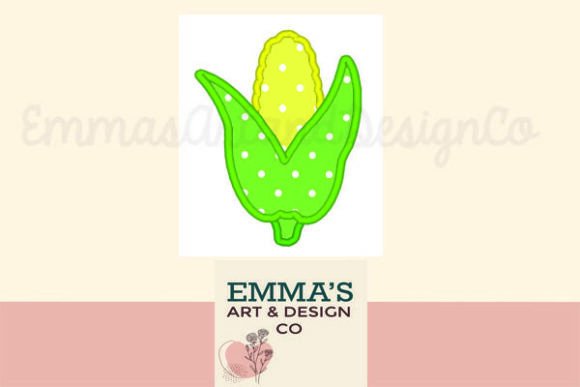
The first thing that strikes you about the Corn Machine Embroidery file is its classic autumnal charm. The design captures the essence of the harvest season without feeling overly cluttered or dated. Visually, it leans towards a traditional aesthetic, utilizing a robust fill stitch to create the body of the corn cob, which gives the design a substantial, textured look once stitched out. The color palette suggested in the preview images—golden yellows, deep greens, and hints of brown—is spot-on for Thanksgiving projects, but what matters more to a professional is how those colors translate to actual thread.
The "personality" of this stitch pattern feels sturdy. It isn't a delicate, wispy outline that might get lost on a busy fabric; it is a bold statement piece. This makes it an excellent candidate for items where visibility is key, such as a kitchen towel hanging on an oven handle or a patch on a canvas tote bag. The attention to detail in the kernel definition suggests a high-quality digitizing job, aiming for smooth transitions rather than jagged edges that can plague lower-quality digital embroidery files.
Performance on Real-World Projects
Before committing to a production run, I mentally simulate how a design performs on various substrates. The Corn Machine Embroidery design appears versatile enough for a wide range of handmade products. For custom apparel, imagine this centered on the chest of a cream-colored sweatshirt or the back yoke of a denim jacket. The density of the fill stitch would provide excellent coverage on thicker fabrics like fleece or French terry, ensuring the design doesn't sink into the nap of the material.
For home décor enthusiasts and Etsy sellers, this design shines on tote bag designs and pillow covers. A canvas tote featuring this corn motif, perhaps paired with some hand-lettered text (if the license permits modification), becomes an instant bestseller at fall craft fairs. It also works beautifully as an embroidered patch. If you have a merrow border machine or plan to satin stitch the edge, this filled design provides a solid foundation for a durable, washable patch that customers love for adding to jackets or backpacks.
However, versatility comes with caveats. While the description mentions it is perfect for accessories, one must consider the scale. On a small item like a baby bib or a narrow apron tie, the full size of the design might be too overwhelming. In these cases, the ability to resize the embroidery file without losing stitch integrity is paramount. Professionally digitized files usually handle scaling better, but pushing a dense fill design too small can result in a muddy, indistinguishable blob of thread.
Technical Considerations for Stitching
From a technical standpoint, there are several factors to analyze before hooping up your machine. The description highlights that this is a "filled embroidery design," which immediately signals that stitch density is a primary concern. Dense fills require careful attention to stabilization. If you are stitching this on a stretchy fabric, like a jersey knit t-shirt or a flexible sweatshirt, using a cut-away stabilizer is non-negotiable to prevent puckering over time. For woven items like linen napkins or cotton tea towels, a high-quality tear-away might suffice, but always test first.
Another critical factor is the hoop size. While the exact dimensions aren't listed in the brief description, corn cobs are naturally elongated. You will need to ensure your machine's hoop can accommodate the length of the design, especially if you plan to add monograms or dates alongside it. If you are working with a 4x4 hoop, you might be limited to smaller instances of the design, whereas a 5x7 or 6x10 hoop would allow for a more impressive, detailed presentation.
Thread choice also plays a massive role in the final outcome of the Corn Machine Embroidery. To achieve the "smooth stitching" promised in the product details, using high-sheen rayon or strong polyester threads is advisable. The contrast between the yellow kernels and the green husk needs to be sharp. On dark fabrics, you may need to adjust the underlay settings or use a lighter top thread to ensure the yellow pops, though the fill density should theoretically cover most mid-tone fabrics well. Always run a test stitch-out on scrap fabric of the same weight and texture as your final product to check for registration issues between the color stops.
Navigating Fabric Challenges
- Textured Fabrics: On waffle-weave kitchen towels, the fill stitch might sink. Consider using a water-soluble topper to keep the stitches floating on the surface.
- Curved Surfaces: If applying this to a cap, the curvature can distort the elongated shape of the corn. Proper framing and possibly a foam stabilizer are essential to maintain the design's proportions.
- Frequent Washing: For items like aprons and baby blankets that undergo frequent laundering, ensure the satin or fill edges are tightly locked to prevent fraying after multiple wash cycles.
Commercial Value and Brand Consistency
For small business owners and creative entrepreneurs, the ultimate question is: does this design add value to my brand? The Corn Machine Embroidery file offers a professional look that can elevate a basic product into a boutique item. A simple white pillow cover transforms into a seasonal centerpiece, commanding a higher price point. The clean lines and professional finish contribute to buyer trust; customers can instantly tell the difference between a amateurish, puckered stitch and a crisp, well-digitized design.
Consistency is key in building a recognizable shop. If your brand focuses on rustic, farmhouse-style goods, this design fits seamlessly into your catalog. It pairs well with other harvest motifs like pumpkins or wheat. Furthermore, for those selling digital products or printable mockups, having a high-resolution image of this stitched design can boost engagement on social media and product listings. It serves as a visual hook that draws potential buyers into your store during the busy autumn shopping season.
Final Verdict and Usage Tips
In conclusion, the Corn Machine Embroidery design from Creative Fabrica appears to be a solid addition to any embroiderer's library, particularly for those targeting the Thanksgiving and fall markets. Its strength lies in its bold fill work and classic subject matter, making it suitable for everything from sweatshirt embroidery to decorative patches. However, success with this file depends on respecting the technical requirements of dense stitching.
Before launching your production line, remember to:
- Verify the specific file formats included to ensure compatibility with your machine brand.
- Check the licensing terms on the Creative Fabrica product page to confirm rights for commercial embroidery and finished goods sales.
- Conduct thorough testing on both light and dark fabrics to finalize your thread chart.
- Select the appropriate stabilizer based on your specific fabric choice to guarantee a flawless finished product.
By treating this asset with the care it deserves and understanding its limitations, you can create stunning, high-quality items that resonate with customers and stand the test of the season.