Anchor and Flower Embroidery: A Designer's Review
As I prep my booth for the upcoming weekend craft fair, my table is covered in samples ranging from linen tote bags to structured caps. In a sea of handmade goods, standing out requires more than just skill; it requires designs that stop a customer in their tracks. Today, I am putting the Anchor and Flower Embroidery design under the microscope. This isn't just a digital file; it is a potential bestseller for my small shop product line if it performs well in person.
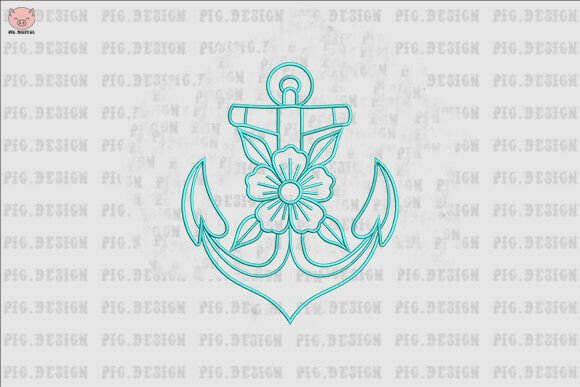
The first impression of this machine embroidery design is striking. Despite being categorized under Halloween, the motif of an anchor intertwined with floral elements feels surprisingly versatile. It leans heavily into a nautical-farmhouse aesthetic that bridges the gap between coastal chic and rustic elegance. For a craft fair environment, this duality is gold. It appeals to the beach-goer looking for summer vibes and the home decorator seeking something timeless. The design feels bold yet decorative, avoiding the overly spooky tropes often associated with the season, which allows it to remain relevant on my display table long after October passes.
Visual Impact on Craft Fair Products
When evaluating where this Anchor and Flower Embroidery shines, I immediately look at surface area and fabric texture. On a canvas tote bag design, the graphic nature of the anchor paired with organic flower shapes creates a fantastic focal point. Customers walking the aisles need to understand a product within three seconds, and this design delivers that instant clarity. The contrast between the rigid geometry of the anchor and the soft curves of the petals draws the eye effectively.
Moving to kitchen linens, the potential for apron embroidery and tea towel embroidery is high. However, one must be cautious with fabric texture. If the towel has a heavy waffle weave, fine details in the flower petals might get lost. I recommend testing this on a smoother linen or cotton blend to ensure the stitch density lays flat and crisp. For a handmade product like an embroidered patch, this design is ideal. Patches are huge sellers at markets because they allow customers to customize their own gear later. The distinct outline of the anchor ensures the patch remains recognizable even at smaller sizes.
I also considered curved surfaces like baseball caps. While the anchor provides a strong central image, the floral extensions might require careful digitizing to wrap around the crown without distortion. If the digital embroidery file is not optimized for caps, the flowers could bunch up. For my booth, I will likely stick to flat goods like pillow covers and market bags where the design can breathe and show off its full detail.
Production Practicality for Small Shops
For any Etsy seller or boutique maker, production speed is just as important as aesthetics. Can this design be batch-produced efficiently? The Anchor and Flower Embroidery appears to have a balanced stitch count, but I need to verify the thread colors. If the design requires frequent color changes between the anchor metal tones and the various flower hues, it slows down the hoop-and-go process. For a busy craft fair prep, I prefer designs that maximize run time while minimizing operator intervention.
Photography is another critical factor. In the world of online sales, a great printable mockup can make or break a listing. This design photographs beautifully because of its high contrast. Whether placed on a navy blue background for a dramatic look or on cream linen for a soft, airy feel, the visual appeal translates well to screens. This versatility helps maintain brand consistency across different design assets and social media posts.
Critical Considerations Before Stitching
Before committing to a full production run of finished products, there are several technical hurdles to clear. As an experienced designer, I never skip the test stitch-out. Here is my checklist for reviewing this specific file:
- Fabric Compatibility: Test the design on both light and dark fabrics. On dark fabric, ensure the anchor has enough satin stitch coverage to prevent the background from showing through.
- Stabilizer Selection: Given the mix of dense fill stitches in the anchor and potentially delicate running stitches in the flowers, choosing the right stabilizer is crucial. A cut-away stabilizer might be necessary for stretchy fabrics like t-shirts to prevent distortion over time.
- Hoop Size Verification: Confirm the required hoop size before purchasing. If the floral spread is wide, it might not fit in a standard 4x4 hoop, requiring a larger frame that limits where you can place the design on smaller items like pouches.
- Detail Clarity: Inspect the smallest flower details. If the design is scaled down for a pocket logo, do the petals merge into a blob? Ensure the design retains clarity at various sizes.
- Licensing Check: Always confirm commercial licensing terms. Just because a file is purchased does not automatically grant the right to sell unlimited commercial embroidery products. Read the fine print regarding physical vs. digital sales.
Maximizing Buyer Engagement
Ultimately, the success of Anchor and Flower Embroidery at a craft fair comes down to emotional connection. The combination of the anchor (symbolizing stability and hope) and flowers (symbolizing growth and beauty) tells a story. It feels premium and thoughtful, elevating a simple tote bag into a meaningful gift. When customers see the quality of the stitching and the uniqueness of the motif, they perceive higher value, allowing for better pricing margins.
For those creating finished product lines, this design offers a cohesive theme. You can create a "Nautical Garden" collection featuring matching aprons, towels, and bags. This strategy encourages multiple purchases per customer. Furthermore, because the design avoids specific holiday clichés despite its category tag, it serves as a year-round staple for your inventory.
In conclusion, the Anchor and Flower Embroidery design holds significant promise for craft fair sellers and handmade entrepreneurs. Its strength lies in its visual balance and adaptability across various textiles. By paying attention to stitch density, fabric choice, and proper stabilization, you can transform this digital file into a tangible asset that drives sales. Remember to always stitch a test sample on scrap fabric first to gauge how the thread interacts with your specific materials. With the right execution, this design can become a signature piece in your booth, drawing in customers who appreciate the blend of maritime tradition and natural elegance.